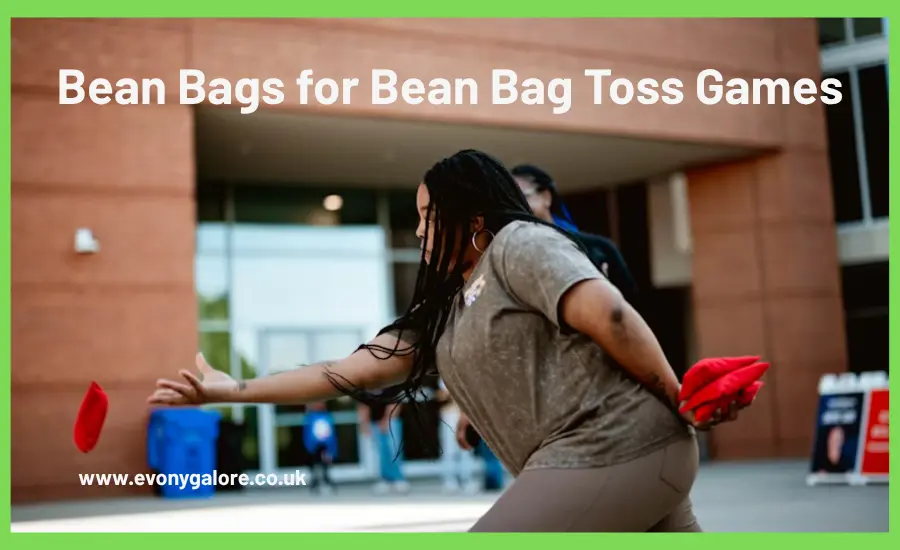
The Ultimate Guide to the Best Bean Bags for Bean Bag Toss Games: Quality, Performance, and Value
Bean bag toss, commonly known as cornhole, has evolved from a simple backyard pastime into a competitive sport enjoyed by millions across America and beyond. Whether you’re organizing a casual family gathering, planning a tailgate party, or participating in tournament-level competitions, the quality of your bean bags can dramatically impact your gaming experience. The right bean bags deliver consistent flight patterns, appropriate weight distribution, superior durability, and the tactile feel that serious players demand. This comprehensive guide explores everything you need to know about selecting the best bean bags for bean bag toss games, ensuring that your investment enhances rather than hinders your enjoyment of this beloved outdoor activity.
Understanding Bean Bag Construction and Materials
The construction quality and material selection of bean bags fundamentally determine their performance characteristics, longevity, and playing experience. Traditional bean bags were indeed filled with dried corn kernels, which gave cornhole its name, but modern manufacturing has introduced superior alternatives that address the limitations of organic materials. Professional-grade bean bags today typically utilize synthetic fill materials, most commonly plastic resin pellets or recycled plastic granules, which offer significant advantages over their corn-filled predecessors.
Synthetic fill materials maintain consistent weight and texture regardless of environmental conditions, unlike corn kernels that absorb moisture, attract insects, and eventually deteriorate. When corn kernels get wet, they become heavier, alter the bag’s flight characteristics, and may develop mold or mildew, creating both performance issues and potential health concerns. Plastic pellet fills eliminate these problems entirely, providing year-round reliability whether you’re playing in humid summer conditions or storing your equipment during winter months.
The exterior fabric composition equally influences bean bag performance and durability. Premium bean bags feature duck canvas or duck cloth construction, a tightly woven cotton fabric that provides the ideal balance between durability and appropriate friction characteristics. The fabric weight, measured in ounces per square yard, typically ranges from six to twelve ounces for quality bean bags, with heavier fabrics offering increased durability but potentially affecting playability. Double-stitched seams with reinforced corners prevent bursting during aggressive play and extend the lifespan of your investment considerably.
Weather-resistant bean bags incorporate additional protective treatments or utilize synthetic fabric blends that resist moisture penetration, UV degradation, and color fading. These specialized options prove particularly valuable for players who store their equipment outdoors or participate in all-weather tournaments where sudden rain doesn’t halt competition. Understanding these construction fundamentals enables informed purchasing decisions that align with your specific playing environment, frequency of use, and performance expectations.
Official Regulation Standards and Weight Requirements
Tournament-sanctioned bean bag toss adheres to specific regulations established by governing bodies like the American Cornhole Organization (ACO) and the American Cornhole League (ACL), which dictate precise specifications for equipment to ensure fair competition and standardized playing conditions. According to official guidelines, regulation bean bags must measure exactly six inches square and weigh between fourteen and sixteen ounces, with most competitive players preferring bags at the fifteen to fifteen-and-a-half-ounce range for optimal performance.
These weight specifications aren’t arbitrary; they represent years of competitive refinement to establish the ideal mass for achieving appropriate throwing distance, predictable flight patterns, and satisfying board impact dynamics. Bean bags that fall below the fourteen-ounce minimum feel too light, flutter unpredictably during flight, and fail to stick reliably on the board surface. Conversely, bags exceeding sixteen ounces become too heavy, requiring excessive throwing force, increasing fatigue during extended play sessions, and potentially damaging board surfaces through repeated impact.
The six-inch square dimension provides sufficient surface area for comfortable gripping across various hand sizes while maintaining the challenge factor that makes the game engaging. Smaller bags would be disproportionately difficult to throw accurately at the standard twenty-seven-foot tournament distance, while larger bags would simplify scoring to the point of reducing competitive interest. These standardized dimensions also ensure that four bags can reasonably fit on the standard two-foot by four-foot playing surface without excessive crowding.
For casual recreational play, strict adherence to official specifications isn’t mandatory, and some players prefer slight variations based on personal preference or to accommodate younger participants. Children’s bean bags often weigh between eight and twelve ounces, making them more manageable for smaller hands and developing throwing mechanics. However, practicing with regulation-weight equipment prepares aspiring competitive players for tournament conditions and develops proper technique that translates directly to sanctioned competition.
Top-Rated Bean Bags for Competitive and Recreational Play
Professional Tournament-Grade Options
Professional-grade bean bags represent the pinnacle of cornhole equipment engineering, incorporating advanced materials, precision manufacturing, and quality control standards that justify their premium pricing. These elite options typically feature specially formulated fabric treatments that provide consistent slide characteristics across varying humidity levels, carefully calibrated fill densities that ensure uniform weight distribution, and reinforced construction techniques that withstand thousands of throws without degradation.
The Reynolds Bags Pro Series stands out among competitive players for its exceptional consistency across sets, meaning multiple bags exhibit nearly identical flight characteristics and surface interaction. This uniformity proves crucial for competitive players who develop muscle memory based on specific bag behavior and cannot afford performance variations during tournament play. The fabric blend incorporates a proprietary treatment that maintains optimal stick-slide balance even as the bags break in through repeated use.
Ultra Cornhole All-Slide bags have gained tremendous popularity in the competitive circuit for players who prefer aggressive sliding strategies and precision bank shots. The specialized synthetic fabric reduces friction dramatically compared to traditional duck canvas, allowing experienced players to execute advanced techniques like the cut shot, where the thrown bag slides a board-stationed bag toward or into the hole. These bags require higher skill levels to control effectively but offer expanded strategic possibilities for accomplished players.
All-Weather Elite ACL-Certified bags specifically target players who compete in outdoor tournaments where environmental conditions vary significantly throughout competition days. The hydrophobic fabric treatment sheds water effectively, preventing the weight gain and performance degradation that plague standard bags in rainy conditions. UV-resistant dyes maintain color vibrancy despite extended sun exposure, ensuring your bags remain visually appealing while meeting tournament color contrast requirements for opposing teams.
Best Value Recreational Bean Bags
Recreational players seeking quality equipment without professional-grade pricing have numerous excellent options that deliver satisfying performance for backyard games, family gatherings, and casual tournaments. These value-oriented bags typically utilize slightly lighter fabrics or less complex manufacturing processes while maintaining the fundamental characteristics that make bean bag toss enjoyable and competitive.
The GoSports Premium bags offer remarkable quality at moderate pricing, featuring synthetic fill that maintains consistent weight, double-stitched construction that prevents premature failure, and attractive color options that satisfy aesthetic preferences. These bags meet regulation specifications, making them suitable for players who occasionally participate in local tournaments while primarily enjoying recreational play. The break-in period is slightly longer than for professional bags, but once properly worn, they provide excellent performance for their price point.
Triumph All-Weather regulation bags incorporate basic water-resistant treatments and durable canvas construction at a budget-friendly price that appeals to schools, community centers, and recreational facilities purchasing multiple sets. While not matching the performance consistency of premium bags, they deliver adequate playability for casual users and withstand the abuse of inexperienced players learning proper throwing techniques.
For families with children, the Franklin Sports Junior bean bag sets provide appropriately sized and weighted bags specifically designed for younger players developing coordination and throwing mechanics. These sets typically include lighter bags in the ten to twelve-ounce range and feature vibrant colors that appeal to children while making bags easily visible during play. The reduced weight prevents fatigue and frustration, encouraging sustained engagement that builds skills progressively.
Key Performance Characteristics to Evaluate
When selecting bean bags for your specific needs, several performance characteristics warrant careful consideration beyond basic regulation compliance. Understanding how these factors influence gameplay enables targeted selection that matches your skill level, playing style, and competitive aspirations.
Stick versus Slide Characteristics
The stick-slide spectrum represents perhaps the most significant performance variable among quality bean bags. “Sticky” bags exhibit higher friction coefficients with board surfaces, tending to stop near their landing point with minimal sliding. These bags benefit beginners and players who prioritize consistent placement over advanced techniques, as they’re more forgiving of slight throwing variations and reduce the likelihood of bags sliding off the board entirely.
Conversely, “slidy” bags feature reduced friction, continuing their forward momentum significantly after board contact. Advanced players prefer these characteristics for executing cutting shots, knocking opponent bags off the board, or precisely positioning bags relative to the hole. However, slide bags demand greater throwing precision and environmental awareness, as wind conditions more dramatically affect their final positioning.
Many manufacturers now produce bags specifically engineered toward one end of this spectrum, with clear labeling indicating their primary characteristics. Some premium options even offer hybrid designs with different fabrics on each side, allowing players to choose stick or slide characteristics by selecting which side contacts the board during play. This versatility appeals to developing players transitioning from beginner to intermediate skill levels.
Break-In Period and Performance Evolution
New bean bags typically require a break-in period during which their handling characteristics evolve as fabrics soften, fill materials settle, and the bags conform to repeated gripping and throwing. Professional-grade bags often feature longer break-in periods but ultimately achieve superior performance consistency once properly worn. This evolution means brand-new bags may not represent the long-term playing experience you’ll ultimately enjoy.
Most quality bags require approximately one hundred to two hundred throws before reaching their optimal performance state. During this period, initially stiff fabrics become more pliable, improving grip comfort and throw release consistency. Fill materials compactly, creating more uniform weight distribution throughout the bag. Some competitive players accelerate this process through deliberate break-in techniques, including repeated flexing, washing and drying cycles, or playing practice games specifically intended to condition new equipment.
Understanding this evolution prevents premature disappointment with new purchases and emphasizes the importance of consistent practice with the same bag set to develop accurate muscle memory. Players switching between multiple bag sets with different break-in states may experience performance inconsistencies as they unconsciously adjust throwing mechanics to accommodate varying bag characteristics.
Durability and Longevity Factors
Bean bag longevity depends heavily on construction quality, usage frequency, storage practices, and playing surface conditions. Professional tournament bags used weekly may last one to three seasons before requiring replacement, while recreational bags used occasionally at family gatherings might provide satisfactory service for five to ten years. Identifying durability indicators during purchase helps predict realistic lifespan expectations.
Key durability features include:
- Reinforced corner stitching that prevents seam failure at high-stress points where bags contact boards
- Bartack stitching at stress points that distributes forces across wider fabric areas
- Quality thread selection using polyester or nylon threads that resist UV degradation and maintain strength despite repeated flexing
- Fill opening closure methods that prevent gradual pellet leakage through inadequately sealed seams
- Fabric weight appropriate to usage intensity, with heavier duck canvas for frequent players and lighter fabrics acceptable for occasional users
Proper storage significantly extends bean bag lifespan regardless of initial quality. Storing bags in climate-controlled indoor environments prevents moisture accumulation, fabric mildew, and temperature-related material degradation. Avoiding prolonged direct sunlight exposure preserves fabric strength and color vibrancy. Many players invest in dedicated storage bags or containers that protect their bean bags between uses while facilitating convenient transportation to various playing locations.
Comparing Popular Brands and Manufacturer Reputations
The bean bag manufacturing market includes dozens of brands ranging from established leaders serving competitive players to budget-focused manufacturers targeting casual recreational users. Understanding brand reputations, manufacturing philosophies, and quality control standards informs purchasing decisions and sets realistic performance expectations.
Premium Manufacturer Analysis
Reynolds Bags has established itself as the premier choice among professional cornhole players, with products featured at major tournaments and endorsed by championship-level competitors. The company’s commitment to consistency means purchasing multiple Reynolds sets over time ensures compatible performance characteristics, allowing players to replace worn bags without adjusting throwing techniques. Their customer service reputation for addressing defects and performance issues reinforces buyer confidence despite premium pricing.
Ultra Cornhole specializes in high-performance bags engineered for specific playing styles, offering distinct product lines optimized for sliding, sticking, or all-weather performance. This specialization appeals to serious players who understand their preferred techniques and want equipment specifically designed to enhance those approaches. The company provides detailed performance specifications for each product line, enabling informed selection based on measurable characteristics rather than marketing hyperbole.
Titan Cornhole builds its reputation on rigorous quality control and ACL certification across its entire product range, ensuring even its entry-level offerings meet competitive standards. This approach serves developing players who want tournament-legal equipment without immediately investing in professional-grade options, knowing they can progress through the company’s product tiers as skills advance.
Value-Oriented Brand Evaluation
GoSports dominates the recreational market through strategic pricing, wide distribution channels, including major retailers, and consistent quality that satisfies casual players. While not matching professional-grade performance consistency, their bags provide entirely adequate playability for backyard games and social gatherings. The company’s complete game sets often represent the best value for new players purchasing their first equipment.
Franklin Sports leverages its established reputation in recreational sporting goods to offer reliable bean bag options at accessible price points. Their products emphasize durability over performance refinement, appealing to schools, community centers, and families where equipment abuse and loss concerns outweigh competitive performance requirements. The extensive color and design options also appeal to casual users prioritizing aesthetic appeal.
Trademark Innovations and similar manufacturers provide budget-entry options for price-conscious consumers willing to accept performance compromises. These bags suit occasional users, one-time event purchases, or situations where equipment loss or theft poses concerns. However, players developing a serious interest in the sport should consider these temporary solutions before upgrading to quality equipment that better supports skill development.
Maintenance, Care, and Storage Best Practices
Proper maintenance extends bean bag lifespan significantly while preserving optimal performance characteristics throughout their usable life. Implementing simple care routines protects your equipment investment and ensures consistent playing experiences across seasons.
Regular cleaning removes dirt, grass stains, and oils that accumulate through repeated handling and board contact. Most quality bean bags tolerate gentle machine washing on cold settings using mild detergent, though always verify manufacturer recommendations before washing. Air drying prevents heat-related shrinkage and maintains fabric integrity better than machine drying. Some players prefer spot-cleaning with damp cloths to address specific stains without subjecting bags to full washing cycles unnecessarily.
Periodic inspection identifies developing problems before they cause complete failures. Check seam integrity at corners and along edges, looking for loose threads or small separations that could expand rapidly with continued use. Verify that fill materials remain evenly distributed rather than concentrating in corners or one side, which would affect flight characteristics. Address minor repairs promptly using heavy-duty thread and basic sewing techniques to prevent small problems from becoming irreparable damage.
Storage considerations prove particularly important for preserving bean bag performance between playing sessions. Store bags in breathable fabric bags or containers rather than sealed plastic bins, where trapped moisture could encourage mildew growth. Avoid prolonged exposure to direct sunlight, extreme temperatures, or high-humidity environments. For seasonal storage, thoroughly clean and completely dry bags before storing them in climate-controlled indoor locations where temperature and moisture levels remain relatively stable.
Customization Options and Personalization Opportunities
Many players appreciate customized bean bags featuring team logos, family names, event commemorations, or unique color combinations that distinguish their equipment and add personal significance to their gaming experience. Understanding available customization options and their implications helps determine whether personalized bags suit your needs and budget.
Professional embroidery services can add text, logos, or graphics directly to bag surfaces, creating truly unique equipment. This option appeals to league teams establishing brand identity, companies purchasing promotional items for corporate events, or families creating memorable gifts. Quality embroidery doesn’t significantly impact bag performance if properly executed, though heavy thread concentrations could marginally affect weight distribution on extremely precise professional-grade bags.
Sublimation printing allows full-surface graphics, photographs, or complex designs covering entire bag faces. This technique proves popular for tournament prizes, fundraising events, or commemorative items celebrating special occasions. However, sublimation typically requires specialized synthetic fabrics rather than traditional duck canvas, potentially compromising some performance characteristics that competitive players expect.
Custom color combinations provide personalization without affecting performance, allowing selection of specific color pairs that match team colors, personal preferences, or high-visibility requirements. Many manufacturers offer extensive color menus for custom orders, though minimum order quantities and longer lead times typically apply compared to standard color options.
For casual players and gift purchasers, these customization options add meaningful value by creating unique items with personal significance. However, competitive players should carefully evaluate whether customization processes might affect bag performance characteristics they’ve grown accustomed to with standard manufacturing approaches.
Making Your Final Selection: A Decision Framework
Selecting the best bean bags for your specific needs requires balancing multiple factors, including budget constraints, skill level, playing frequency, competitive aspirations, and performance preferences. This decision framework guides your evaluation process toward optimal choices.
Begin by honestly assessing your current skill level and realistic progression timeline. Absolute beginners benefit from forgiving, sticky bags that build confidence through consistent performance, even if these ultimately prove limiting as skills advance. Intermediate players developing competitive interest should invest in quality regulation bags that meet tournament standards, ensuring practice translates directly into competitive situations. Advanced players require premium options offering the specific performance characteristics their developed playing style demands.
Budget considerations should account for the total cost of ownership rather than merely the purchase price. Extremely cheap bags that require replacement after one season ultimately cost more than quality mid-range options that last several years. However, premium professional-grade bags may represent overinvestment for casual players whose usage patterns don’t justify the incremental performance benefits.
Playing environment and storage capabilities influence appropriate bag selection significantly. Players lacking climate-controlled storage or primarily competing outdoors need weather-resistant options that tolerate moisture and temperature extremes. Conversely, players storing equipment indoors and playing primarily in controlled environments can prioritize pure performance characteristics over environmental durability.
Consider purchasing decisions within your broader equipment ecosystem. If you already own regulation boards, bags meeting official specifications ensure equipment compatibility and tournament readiness. Players with non-standard or custom boards might prioritize bags optimized for their specific playing surfaces over strict regulation compliance.
Conclusion:
The best bean bags for bean bag toss games ultimately depend on your individual circumstances, preferences, and objectives, but certain universal principles guide smart purchasing decisions. Quality construction featuring durable fabrics, consistent fill materials, and reinforced stitching provides performance reliability and longevity that justifies the initial investment. Understanding the stick-slide spectrum and selecting bags that match your skill level and playing style enhances both enjoyment and performance development. Meeting regulation standards ensures tournament readiness while supporting proper technique development even during casual play.
Whether you’re a competitive player seeking every possible advantage, a recreational enthusiast wanting quality equipment for family gatherings, or someone exploring this engaging sport for the first time, thoughtful bean bag selection dramatically impacts your playing experience. The market offers excellent options across all price points and performance levels, making it entirely possible to find bags delivering satisfaction, durability, and appropriate challenge for your specific situation. By applying the insights, evaluation criteria, and brand knowledge presented in this comprehensive guide, you’re now equipped to make informed decisions that enhance your bean bag toss enjoyment for years to come, creating memorable experiences with friends and family while potentially discovering a lifelong passion for this uniquely American game.